
Off Grid Solar System for
Remote & Independent Energy Needs
Solar Off-Grid Systems are an ideal solution for generating electricity in locations where access to the public electrical grid is unavailable, unreliable, or expensive. These systems are widely used in remote areas, rural locations, agricultural facilities, and backup power applications where uninterrupted electricity is essential.
An off-grid solar system works independently from the utility grid by generating electricity from solar energy and storing it in batteries for later use. This enables continuous power supply during nighttime, cloudy weather conditions, or power outages.
Reliable Energy Independence with Solar Power
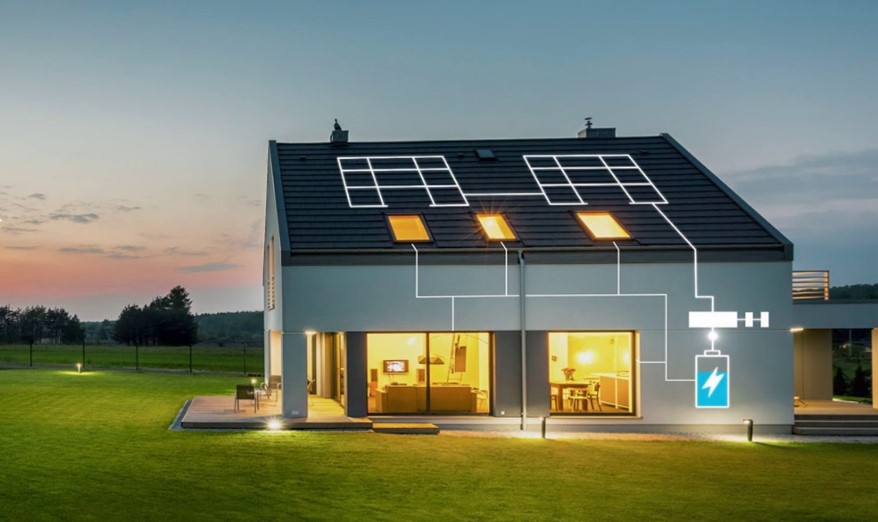
An off-grid solar rooftop system is a standalone solar power solution that operates independently from the public electricity grid. It generates electricity through solar photovoltaic (PV) panels and stores excess energy in batteries for use during nighttime, cloudy weather conditions, or power outages.
A properly designed off-grid solar system can save approximately 10 units of electricity per day depending on system capacity and usage patterns.
Why Transition to Standalone Off-Grid Solutions?
Independence
Off-grid solar systems provide electricity in remote areas where access to the conventional electrical grid is limited or unavailable.
Sustainability
Solar energy is a clean, renewable, and environmentally friendly power source that reduces dependence on fossil fuels and minimizes carbon emissions.
Cost Savings
Over time, solar off-grid systems can significantly reduce energy expenses when compared to diesel generators or costly grid infrastructure expansion in remote locations.
Reliability
With proper system design, engineering, and maintenance, solar off-grid systems deliver reliable and continuous power even in areas with unstable or erratic electricity supply.
Scalability
Off-grid systems can be customized based on specific energy requirements, and additional solar panels or batteries can be integrated as future energy needs grow.
Energy Savings
A properly designed off-grid solar system can save approximately 10 units of electricity per day depending on system capacity and usage patterns.
Applications of Off-Grid Solar Systems
Our off-grid solar solutions are suitable for:
High-Performance Independent Solar Infrastructure
Solar Panels
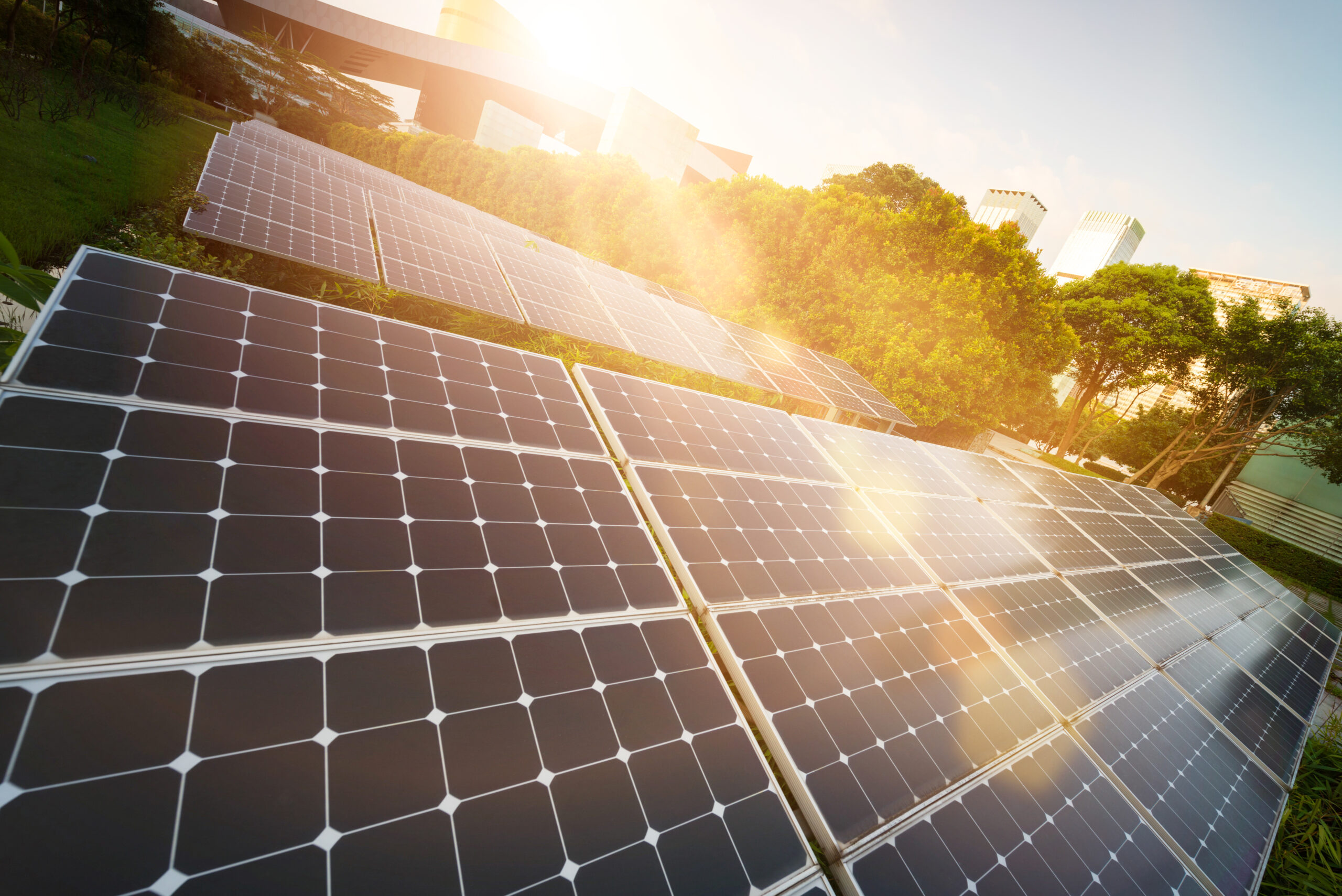
Solar photovoltaic (PV) panels capture sunlight and convert it into direct current (DC) electricity. These panels form the primary source of energy generation in the system.
Batteries
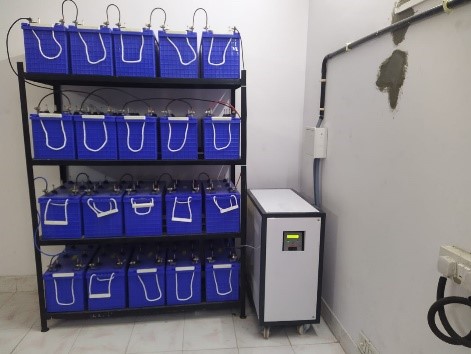
Batteries store the electricity generated by the solar panels for later use when sunlight is unavailable. They ensure a stable and uninterrupted power supply during nighttime and cloudy weather conditions.
Inverter
The inverter converts the DC electricity stored in the batteries into alternating current (AC) electricity, which is used to operate household appliances, machinery, lighting systems, and electrical devices.
Backup Generator (Optional)
Some off-grid solar systems include a backup generator to provide additional electricity support during prolonged low sunlight conditions or periods of high power demand.
Load Centre
The load centre, also known as a distribution panel, distributes AC electricity from the inverter to different electrical circuits within the building. It enables safe and efficient power distribution to connected devices and appliances.
High-Quality Components for Reliable Performance
Our certified off-grid implementations combine only durable, field-tested components to guarantee complete security, structural safety, and high-efficiency standard yield performance.
Frequently Asked Questions
Factual, rapid reference regarding off-grid solar installation boundaries, battery integrations, and autonomous sizing.
An off grid solar system generates and stores electricity independently without relying on the utility grid. It uses solar panels, batteries and an inverter to provide uninterrupted power.
An off-grid solar system is a standalone solar power solution that operates independently without connection to the public electricity grid.
Yes. Batteries are an essential part of off-grid systems because they store solar energy for use during nighttime or cloudy conditions.
They are commonly used in remote areas, farms, villages, rural homes, industrial backup applications, and locations with unreliable electricity supply.
Yes. Since they operate independently from the utility grid, off-grid systems continue supplying electricity during grid failures and outages.
The major advantages include energy independence, sustainability, reduced electricity costs, reliable backup power, and suitability for remote locations.
Depending on system capacity and usage, a solar off-grid system can save approximately 10 units of electricity per day.
Transition to Off-Grid Solar Power System Today
Acquire complete grid-independent security customized specifically for your remote assets, agricultural facilities, or backup systems.