
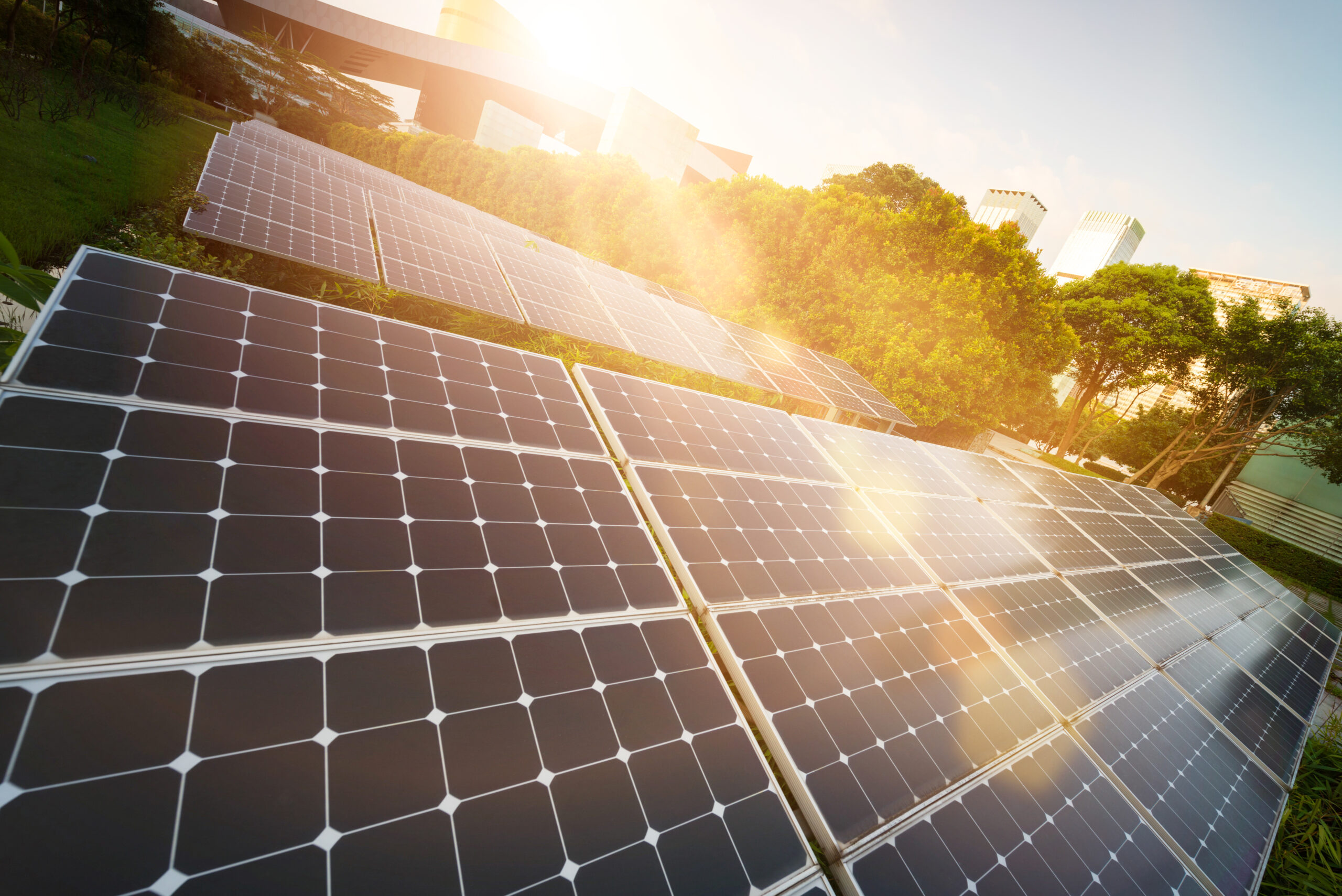
Reliable Solar Water Pump Solutions
for Agriculture & Rural Applications
Harness solar energy to efficiently pump water for irrigation, livestock, and domestic use while reducing electricity and fuel costs.
Sustainable Water Pumping Powered by Solar Energy
A Solar Water Pumping System is an energy-efficient and environmentally friendly solution that uses solar energy to draw water from wells, borewells, ponds, rivers, and other water sources.
Solar water pumps utilize photovoltaic (PV) technology to convert sunlight into electricity, which powers the pumping system. By replacing conventional grid-powered or diesel-powered pumps, solar water pumping systems help reduce operating costs, minimize environmental impact, and provide reliable water access in areas with limited electricity availability.
Product Fact Sheet & Key Takeaways
- System Capacity: 1 HP to 50 HP+ configurations
- Payback Period: 2 to 4 years due to fuel savings
- Subsidies: Available under PM-KUSUM scheme for farmers
- Maintenance: Extremely low compared to diesel pumps
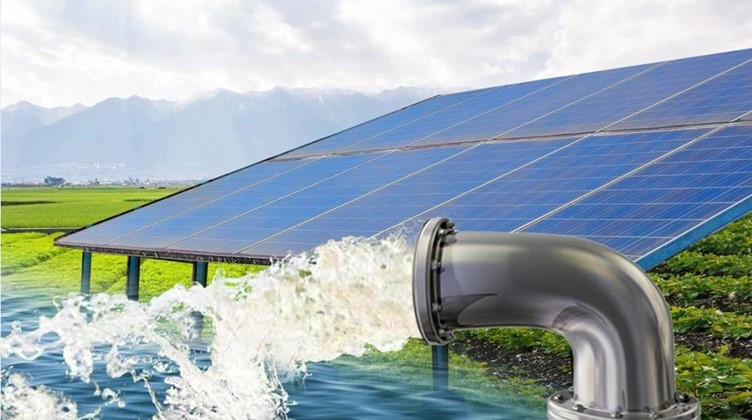
What is a Solar Water Pumping System?
A Solar Water Pumping System is a water pumping solution powered by solar energy. Solar panels generate electricity from sunlight, which is used to operate water pumps for agricultural, commercial, and domestic applications.
These systems are particularly useful in areas without reliable grid connectivity and provide a sustainable alternative to conventional diesel or electric pumps.
Benefits of Solar Water Pumping Systems
Why Choose Solar Water Pumps?
Lower Energy Costs
Reduce electricity expenses and eliminate fuel costs associated with diesel-powered pumps.
Ideal for Remote Locations
Suitable for rural and off-grid areas where access to conventional electricity is limited.
Environmentally Friendly
Uses clean and renewable solar energy while reducing carbon emissions.
Low Maintenance
Designed with fewer moving parts, resulting in lower maintenance requirements and operating costs.
Silent Operation
Produces no noise pollution and provides smooth, efficient performance.
Reliable Water Supply
Ensures dependable water availability for irrigation, livestock, and domestic applications.
Components of a Solar Water Pumping System
Solar Panels
Solar photovoltaic (PV) panels capture sunlight and convert it into electrical energy to power the pumping system.
Pump Controller
The controller regulates and optimizes power flow between the solar panels and the water pump for efficient operation.
Water Pump
Depending on the application and water source, the system may utilize: • Submersible Pumps (for borewells and deep water sources) • Surface Pumps (for shallow water sources, ponds, lakes, and tanks)
DC Pump
Operates directly using electricity generated by solar panels, providing high energy efficiency.
AC Pump
Uses an inverter to convert solar-generated power into AC electricity for pump operation.
Storage Tank
Stores pumped water for future usage and ensures a continuous water supply when required.
Inverter & Battery (Optional)
Battery storage and inverter systems can be integrated where backup power or additional operational flexibility is needed.
Applications of Solar Water Pumping Systems
Irrigation
Solar water pumps are widely used for agricultural irrigation, helping farmers efficiently supply water to crops while reducing operating expenses.
Livestock Watering
Provides a reliable source of drinking water for livestock in rural and remote areas.
Potable Water Supply
Used by villages, rural communities, institutions, and public infrastructure projects to provide water for drinking and domestic use.
Horticulture & Gardens
Suitable for landscape irrigation, nurseries, and plantation projects.
Community Water Projects
Supports sustainable water access in rural development and government infrastructure projects.
Frequently Asked Questions
Find out more about solar water pumping capabilities, savings, and mechanical performance.
Ready to Switch to Solar Water Pumping?
Our experts will help you select the right solar water pumping solution based on your water requirements, pumping capacity, and site conditions.